Define the electrical window
Provide nominal voltage, maximum charging voltage, continuous load and measured peak current.
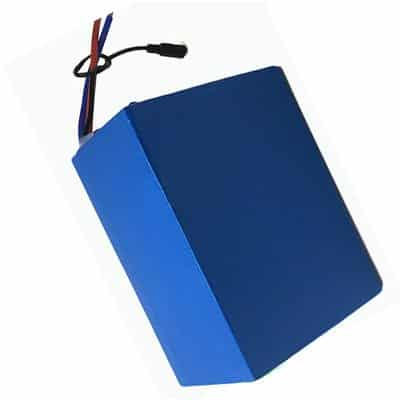
A battery option listed for signal-tower power. The installation design should define protection settings, communication and charger compatibility.
Source review: 4 November 2026 · No inventory or price is implied.
| Parameter | Published reference |
|---|---|
| Nominal voltage | 48V |
| Nominal capacity | 60Ah |
| Listed charging voltage | 54 ± 0.15V |
| Listed application | Signal tower |
For lithium-ion battery packs, work through these requirements before finalizing the battery choice.
Provide nominal voltage, maximum charging voltage, continuous load and measured peak current.
Document the enclosure drawing, cable routing, connector pinout and communication requirements.
Use a signed specification covering capacity test conditions, protection limits and sample approval.
Request the current electrical specification, a mechanical drawing, protection limits and test conditions. Where required, ask for the exact model’s transport and safety documentation. Confirm the report holder, model scope and revision.
A company certificate, a cell report and a finished-pack report cover different things. The documents need to match the product and its intended use.
The published values are an initial reference. Compatibility depends on the operating voltage window, continuous and peak current, charging system, enclosure and application requirements. Share those details for a model-specific review.
Send the reference name and your project specification. The team can confirm the available configuration, sample terms, quantity, price and lead time. No standard MOQ or delivery promise is asserted on this page.
The Jetray website describes custom battery solutions. Share your requirements so the team can confirm the cell configuration, protection, enclosure and feasibility for your project.
Values taken from Jetray public listings; request the current approved datasheet before design-in.
Source paths may redirect following the corporate website’s reorganization. Ask Jetray for the current approved model sheet when a legacy page has moved.
For lithium-ion battery packs, the most useful RFQ connects the published reference to the equipment and the project.
Operating voltage window, continuous current and startup peaks. Include measured peak duration and the target operating time.
Protection response, connector pinout and charge interface. Add the available dimensions, cable direction and the equipment drawing.
State the sample stage, expected quantities, destination market and documents required for review.
Use the collection’s practical guides to prepare a more focused engineering discussion.
A practical requirements brief for OEM teams: voltage window, measured load, usable energy, mechanical envelope and validation.
Read the technical guideDefine the protection, state reporting, connector and communication behavior your equipment needs before selecting a battery pack.
Read the technical guideCreate a practical sample acceptance plan that links electrical performance, mechanical fit and production documentation.
Read the technical guideShare the load, dimensions and intended use. Ask for a current model specification and a project review.